
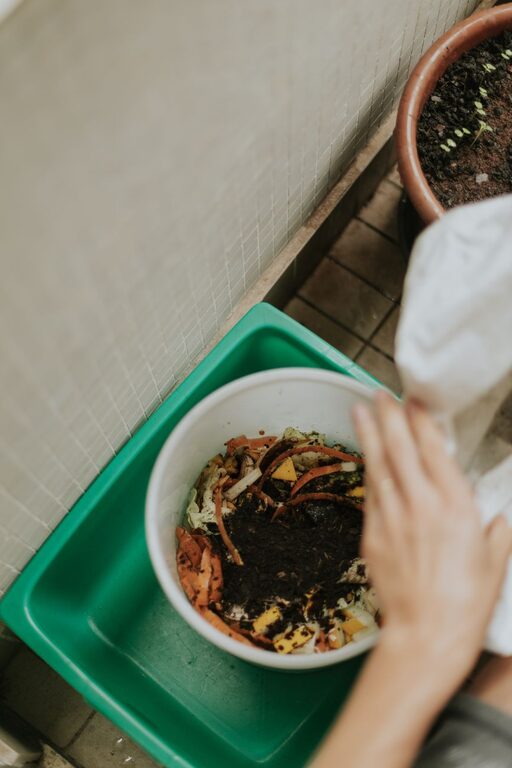
Beginner Tips for Composting at Home: A Simple Guide
Composting at home is a fantastic way to reduce waste, enrich your garden soil, and support a healthier environment. If you’re new to composting, the process might seem a bit overwhelming at first. However, with some simple guidance and a little patience, you can create your own nutrient-rich compost right in your backyard or even on a balcony. This beginner-friendly guide will walk you through the basics and help you get started with confidence.
What is Composting?
Composting is the natural process of recycling organic matter, such as food scraps and yard waste, into a valuable soil amendment. Through the activity of microorganisms, these materials break down and turn into humus — a dark, crumbly substance that improves soil texture, fertility, and moisture retention.
Benefits of Composting at Home
– Reduces landfill waste: Composting keeps organic materials out of landfills, reducing methane emissions.
– Improves garden soil: Compost adds essential nutrients to your soil, helping plants grow stronger.
– Saves money: You can reduce the need for chemical fertilizers and store-bought soil conditioners.
– Supports sustainability: Composting promotes a more sustainable lifestyle by recycling nutrients.
Getting Started: What You’ll Need
To begin composting, you don’t need much. Here’s what to gather:
– Compost bin or pile: You can buy a compost bin or create a simple pile in your yard. For small spaces, consider a compost tumbler or a worm composting bin.
– Organic waste: Collect kitchen scraps like fruit and vegetable peels, coffee grounds, and eggshells, plus yard waste such as grass clippings and leaves.
– Water: Moisture is key for composting, so keeping your pile damp (like a wrung-out sponge) helps the process.
– Turning tool: A garden fork or shovel will help you aerate the compost regularly.
What Can and Can’t Go in Your Compost
Knowing what to add and what to avoid is crucial for a healthy compost pile.
Compostable Materials (Greens and Browns)
– Greens (Nitrogen-rich): Vegetable scraps, fruit peels, coffee grounds, fresh grass clippings
– Browns (Carbon-rich): Dry leaves, shredded newspaper, cardboard, straw, wood chips, sawdust (untreated)
What to Avoid
– Meat, dairy, and oily foods (can attract pests)
– Diseased plants or invasive weeds
– Pet waste (can contain harmful pathogens)
– Synthetic chemicals or treated wood
Step-by-Step Composting Process
1. Choose a Composting Spot
Pick a well-drained area outdoors, ideally with some shade to prevent drying out. If space is limited, a balcony bin or indoor worm composting (vermicomposting) is a good alternative.
2. Build Your Compost Pile or Bin
Start by placing a layer of coarse materials (like twigs or straw) to improve drainage. Then alternate layers of greens and browns to balance nitrogen and carbon. Aim for roughly a 2:1 ratio of browns to greens.
3. Keep It Moist and Aerated
Your compost should feel like a damp sponge—not soggy or dry. Water the pile occasionally if needed. Every week or two, turn the pile with a shovel or garden fork to add air, which helps microorganisms break down the material.
4. Be Patient
Composting takes time. Depending on conditions like temperature and materials, it can take from a few months to a year for compost to mature. Finished compost is dark, crumbly, and smells earthy.
5. Use Your Compost
Once ready, use your finished compost to enrich garden beds, potted plants, or lawn areas. It improves soil structure, moisture retention, and plant health.
Troubleshooting Common Composting Issues
– Pile smells bad: Usually a sign of too much green waste or poor aeration. Add more browns and turn the pile to increase airflow.
– Pile is too dry: Add water and some green materials.
– Pile attracts pests: Avoid composting meat and dairy; make sure to bury food scraps well.
– Compost isn’t breaking down: Chop scraps into smaller pieces and turn the pile more often.
Alternative Composting Methods
– Vermicomposting: Uses worms to break down food scraps indoors. Great for small spaces and kitchens.
– Bokashi Composting: A fermentation process using special microbes, suitable for all food scraps and done indoors.
– Trench Composting: Bury scraps directly in garden soil; they decompose and enrich the soil naturally.
Final Tips for Success
– Start small and gradually add more materials as you learn.
– Chop or shred waste to speed up decomposition.
– Keep a balanced mix of green and brown materials.
– Monitor moisture and temperature regularly.
– Be patient and enjoy the process — composting is a natural cycle that benefits your home and the planet.
—
By following these beginner tips, composting at home can be an easy, rewarding habit that helps your garden thrive and reduces your environmental impact. Happy composting!
