
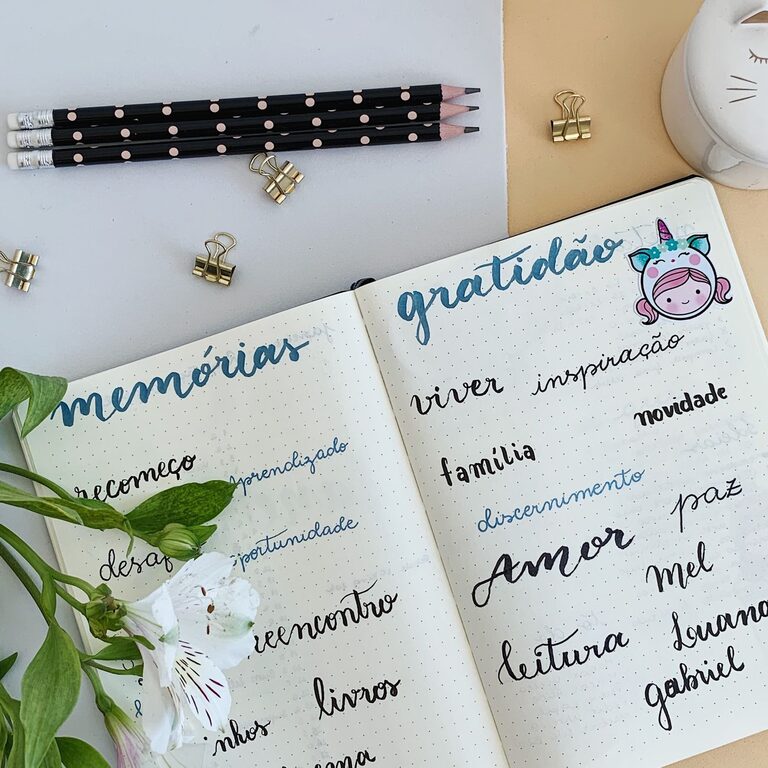
How to Start a Gratitude Journal for a Happier Life
Gratitude journaling is a simple yet powerful practice that can help improve your mood, increase happiness, and promote a positive outlook on life. By regularly reflecting on the things you appreciate, you can shift your focus away from stress or negativity and develop a more mindful approach to everyday moments. If you’re interested in starting a gratitude journal but aren’t sure where to begin, this guide will walk you through the steps and tips for making it a meaningful habit.
What Is a Gratitude Journal?
A gratitude journal is a dedicated notebook or digital document where you regularly write down things you are thankful for. These can be big or small, ranging from personal achievements and relationships to simple pleasures like a sunny day or a good meal. The goal is to build awareness of positive experiences and to train your brain to notice and appreciate more of life’s blessings.
Benefits of Keeping a Gratitude Journal
Maintaining a gratitude journal can have several benefits:
– Improved mood and reduced stress: Focusing on what’s good can help counterbalance negative thoughts.
– Better sleep: Reflecting on positive experiences before bed may lead to more restful sleep.
– Increased mindfulness: Journaling encourages living in the present moment.
– Stronger relationships: Recognizing others’ contributions helps deepen connections.
– Greater resilience: Gratitude can boost your ability to cope with challenges.
How to Start Your Gratitude Journal
Choose Your Medium
First, decide how you want to keep your journal. Options include:
– Physical notebook: Some people enjoy the tactile experience of writing by hand.
– Digital apps or documents: Convenient for quick entries and easy access.
– Hybrid approach: Use a notebook but keep some entries on your phone for spontaneity.
Choose whatever feels most comfortable and sustainable for you.
Set a Routine
Consistency is key to making gratitude journaling a habit. Consider:
– Writing at the same time every day, such as morning or before bedtime.
– Committing to a manageable amount, like 3-5 items per entry.
– Setting a reminder or alarm if needed.
Start small so it doesn’t feel overwhelming.
What to Write
There’s no wrong way to journal gratitude, but here are some ideas to get you started:
– List specific things: For example, “I’m grateful for my friend’s support today.”
– Describe moments: Recall a pleasant event and how it made you feel.
– Focus on people: Express appreciation for someone who made a difference.
– Include challenges: Identify lessons learned or silver linings from difficult experiences.
Try to be specific and genuine—it’s about your personal reflections, not perfection.
Use Prompts to Inspire You
If you find yourself stuck, prompts can help spark thoughts:
– What made you smile today?
– Who is someone you appreciate and why?
– What’s something you’re looking forward to?
– What simple pleasure did you enjoy recently?
– What strengths have helped you lately?
Keep It Private and Judgment-Free
Your gratitude journal is for your eyes only, so don’t worry about spelling or grammar. The goal is honest reflection, not writing a polished piece.
Tips to Maintain Your Gratitude Journal
Be Patient
It can take time to notice big changes, but small daily efforts add up. If you skip a day, don’t get discouraged—just start again the next day.
Mix It Up
To keep things interesting, vary your entries. Consider adding:
– Photos or drawings
– Quotes that inspire gratitude
– Short affirmations
Share Selectively
Sharing your gratitude can strengthen relationships, but journaling is primarily a personal practice. Share your thoughts when it feels right, but no pressure.
Reflect Periodically
Every few weeks, read back through your entries. You might be surprised by recurring themes and moments of joy you hadn’t thought about recently.
Overcoming Common Challenges
Lack of Time
Gratitude journaling doesn’t need to take long. Even 3-5 minutes daily can be beneficial. Try jotting down gratitude during a break or while commuting.
Negative Days
On tough days, it may be harder to find things to be thankful for. Try focusing on small wins or things you often take for granted, such as a comfortable bed or a kind gesture.
Forgetting to Journal
Set daily reminders or link journaling to another habit, like brushing your teeth or having morning coffee.
Final Thoughts
Starting a gratitude journal is an accessible way to nurture positivity and mindfulness. By choosing a comfortable method, setting a routine, and writing regularly, you create a powerful tool for emotional well-being. Remember, the practice is personal—there’s no right or wrong way. Embrace the journey, and enjoy the small shifts in perspective that come with it.
Happy journaling!
