
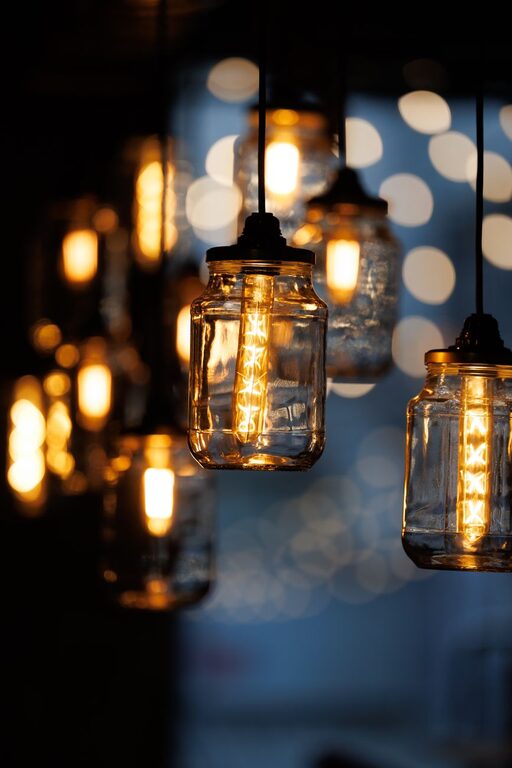
Tips for Choosing Comfortable Home Lighting
Creating a comfortable and inviting atmosphere in your home is often about the details, and lighting plays a crucial role. Proper lighting not only affects the look of your space but also how you feel while spending time there. Choosing the right home lighting can seem overwhelming given the many options available, but with a few simple tips, you can easily find lighting that enhances both comfort and style.
Why Comfortable Lighting Matters
Lighting impacts your mood, productivity, and even your sleep. Harsh or poorly placed lighting can cause eye strain, headaches, or simply make your home feel cold and unwelcoming. On the other hand, well-chosen comfortable lighting can highlight your decor, create relaxing atmospheres, and make everyday tasks easier. It’s about balance — enough light to see comfortably without glare or harsh shadows.
Key Factors to Consider When Choosing Home Lighting
1. Understand Different Types of Lighting
There are three main types of lighting you’ll want to combine throughout your space:
– Ambient Lighting: This is the general light that fills the room, usually from ceiling fixtures or wall-mounted lights.
– Task Lighting: Focused lighting for activities like reading, cooking, or working at a desk. Examples include desk lamps, under-cabinet lights, or adjustable floor lamps.
– Accent Lighting: Used to highlight artwork, plants, or architectural features. This includes spotlights or LED strips.
Combining these layers creates a balanced and flexible lighting scheme.
2. Choose the Right Light Bulbs
Light bulbs come in various colors and brightness levels. These two aspects affect comfort most:
– Color Temperature: Measured in Kelvins (K), color temperature ranges from warm (2700K-3000K) to cool (4000K-6500K). Warm light feels cozy and relaxing, ideal for living rooms and bedrooms. Cooler light mimics daylight, suitable for workspaces or kitchens.
– Brightness: Measured in lumens, this tells you how much light the bulb produces. Rooms where you relax need softer light, while task areas require brighter bulbs.
Opt for energy-efficient LED bulbs as they last longer and produce less heat.
3. Consider Dimmable Lighting Options
Dimmers let you adjust the lighting to your mood or activity. Installing dimmer switches or using smart bulbs with adjustable brightness can make your lighting much more versatile and comfortable. Dimming lights toward evening also supports natural circadian rhythms, which can improve sleep quality.
4. Position Lights Thoughtfully
Where you place your lights affects comfort significantly. Avoid placing bright lights directly in your line of sight, which causes glare. Instead, use lampshades, diffusers, or indirect lighting that bounces off walls and ceilings. For example:
– Use floor or table lamps near reading areas.
– Position under-cabinet kitchen lights close to your work surfaces.
– Use wall sconces to add warm ambient light without harsh overhead glare.
5. Match Lighting Fixtures to Your Decor Style
Comfort also comes from how lighting complements your space’s overall style. Choose fixtures that fit your decor, whether it’s modern, traditional, or eclectic. The right fixture adds character without overwhelming the space.
Practical Tips for Each Room
Living Room
– Use layered lighting: combine overhead ambient lighting with floor lamps and accent lights.
– Choose warm white bulbs (2700K to 3000K) for a cozy vibe.
– Add dimmers for flexibility between bright social settings and relaxed evenings.
Bedroom
– Soft, warm lighting creates a restful atmosphere.
– Avoid bright overhead lights; instead, use bedside lamps or wall sconces.
– Consider smart bulbs to change brightness and color, helping you wind down before bed.
Kitchen
– Focus on task lighting with bright, cool white lights (3500K to 4100K) for clarity.
– Add ambient lighting for general illumination.
– Use under-cabinet lights to reduce shadows on work surfaces.
Bathroom
– Bright, cool light over mirrors helps with grooming tasks.
– Avoid harsh overhead lights; use layered lighting for comfort.
– Waterproof fixtures are essential for safety.
Home Office
– Bright, cool white lights improve focus and reduce eye strain.
– Use adjustable desk lamps for direct task lighting.
– Control glare on screens by positioning lights carefully.
Additional Lighting Considerations
– Natural Light: Maximize daylight to reduce reliance on artificial light during the day. Use light curtains or blinds to diffuse harsh sunlight.
– Energy Efficiency: Choose LED bulbs and energy-efficient fixtures to save on electricity and reduce environmental impact.
– Smart Lighting: Consider smart bulbs or systems that allow you to control light color, brightness, and schedule from your phone.
Summary
Comfortable home lighting enhances your daily experience and highlights your living spaces beautifully. By understanding lighting types, selecting the right bulbs, using dimmers, positioning lights thoughtfully, and tailoring your choices to each room, you can create a cozy, functional, and visually pleasing environment. Remember, good lighting is a blend of art and science—from the warmth of the bulb to the placement of your fixtures—making your home feel just right.
Choose lighting that feels comfortable for your eyes and your lifestyle, and enjoy the difference it brings to your home.
